
Digital Marketing & Social Media Growth Hacking
Advanced strategies, systems, and frameworks for sustainable growth in the modern digital ecosystem.
Contents
1. Introduction to Digital Marketing

Digital Marketing encompasses all marketing efforts that use electronic devices and the internet to promote products, services, and brands. It includes a wide range of tactics and channels designed to reach consumers where they spend most of their time online.
In today’s interconnected economy, digital marketing has become essential for business survival and growth. It offers unprecedented targeting precision, real time performance measurement, and the ability to scale campaigns globally with relatively low cost compared to traditional advertising.
The field has evolved from basic banner ads and email blasts to sophisticated, AI powered ecosystems that combine data science, psychology, creativity, and technology.
2. Introduction to Social Media Growth Hacking

Growth Hacking is a data driven, experimental approach to rapid user acquisition, engagement, and retention. Unlike traditional marketing, which often focuses on broad awareness, growth hacking prioritizes scalable, low cost tactics that drive measurable growth through clever product features, viral mechanics, and iterative testing.
In the social media landscape, growth hacking involves understanding platform algorithms, user psychology, and distribution mechanics to create self-sustaining growth loops.
3. Core Principles of Growth Hacking
Successful growth hackers operate with a mindset of rapid experimentation, relentless focus on metrics, and creative problem solving. They prioritize speed over perfection and use data to guide every decision.
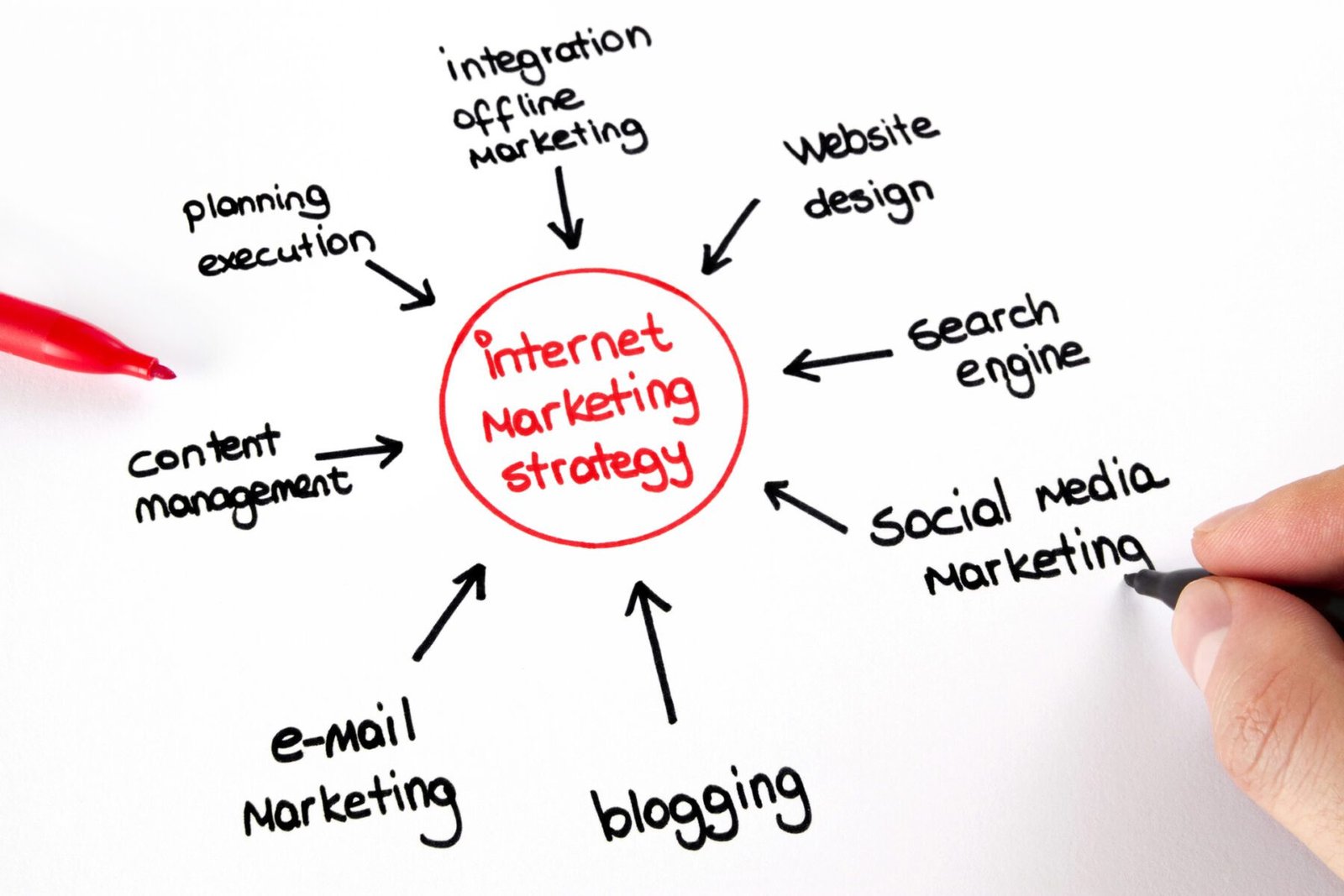
4. Digital Marketing Channels
Search Engine Marketing (SEM)
Paid search advertising through Google Ads and other platforms, focusing on high intent users.
Social Media Marketing (SMM)
Building presence and running campaigns across platforms like Instagram, TikTok, LinkedIn, and X.
Content Marketing
Creating valuable content that attracts, educates, and converts target audiences.
5. Social Media Platforms Strategy
Each platform requires a unique approach. Instagram rewards high-quality visuals and Reels, TikTok favors creative short-form video with trending audio, while LinkedIn emphasizes professional thought leadership and B2B networking.
6. How Social Media Algorithms Work
Modern social platforms use sophisticated AI systems that evaluate content based on engagement signals (likes, comments, shares, saves), watch time, relevance to user interests, and creator authority. Understanding these ranking systems is essential for sustainable organic growth.
7. Content Strategy for Viral Growth
Effective content begins with strong hooks in the first three seconds, leverages storytelling, maintains consistency in posting schedule, and deeply understands audience pain points and desires. High performing content balances entertainment, education, and inspiration.
8. Growth Hacking Techniques
Viral loops, referral programs, strategic A/B testing, scarcity tactics, and community driven growth are proven methods used by successful startups and established brands to accelerate user acquisition and retention.
9. Paid Marketing Strategies
Paid advertising remains one of the fastest ways to scale. Success depends on precise audience targeting, compelling creative assets, rigorous budget management, and continuous optimization based on conversion data and return on ad spend (ROAS).
10. Organic Growth Strategies
Organic growth focuses on building genuine audience relationships through valuable content, active community engagement, strategic hashtag usage, and consistent value delivery that encourages shares and recommendations.
11. Influencer Marketing
Collaborating with micro influencers (10k–100k followers) often yields higher engagement rates and authenticity compared to mega-influencers. Successful partnerships are built on genuine alignment between brand values and creator audience.
12. Analytics & Performance Tracking

Key metrics include engagement rate, reach, conversions, customer acquisition cost (CAC), lifetime value (LTV), and return on investment. Advanced teams use multi touch attribution and cohort analysis for deeper insights.
13. Psychology of Viral Content
Viral content triggers strong emotions surprise, amusement, anger, or inspiration. It creates curiosity gaps, leverages social proof, and taps into FOMO (fear of missing out). Understanding human psychology remains the foundation of effective growth strategies.
14. Automation in Marketing
Modern marketing leverages AI for content scheduling, audience segmentation, ad optimization, chatbots for customer service, and personalized email sequences that nurture leads at scale.
15. Future of Digital Marketing
The future belongs to hyper personalized, AI-driven marketing systems capable of real-time adaptation, predictive analytics, and seamless experiences across emerging platforms including the metaverse and advanced voice interfaces.
16. Challenges in Modern Marketing
Frequent algorithm changes, rising ad costs, content saturation, privacy regulations, and increasing consumer skepticism toward traditional advertising present ongoing challenges that require adaptability and innovation.
17. Career Opportunities
The digital marketing industry continues to offer strong career prospects for Growth Hackers, Performance Marketers, Content Strategists, Social Media Managers, and Data Driven Marketing Analysts.
Conclusion
Digital Marketing and Social Media Growth Hacking have become indispensable disciplines in the modern business world. Success requires a unique blend of creativity, analytical thinking, technical understanding, and relentless experimentation.
Organizations and professionals who master both strategic thinking and tactical execution while staying adaptable to rapid platform and technological changes will thrive in the evolving digital economy.