
Software as a Service (SaaS) Complete Detailed Guide
A comprehensive educational reference on the modern cloud software delivery model that powers today’s digital economy.
Contents
1. Introduction to SaaS
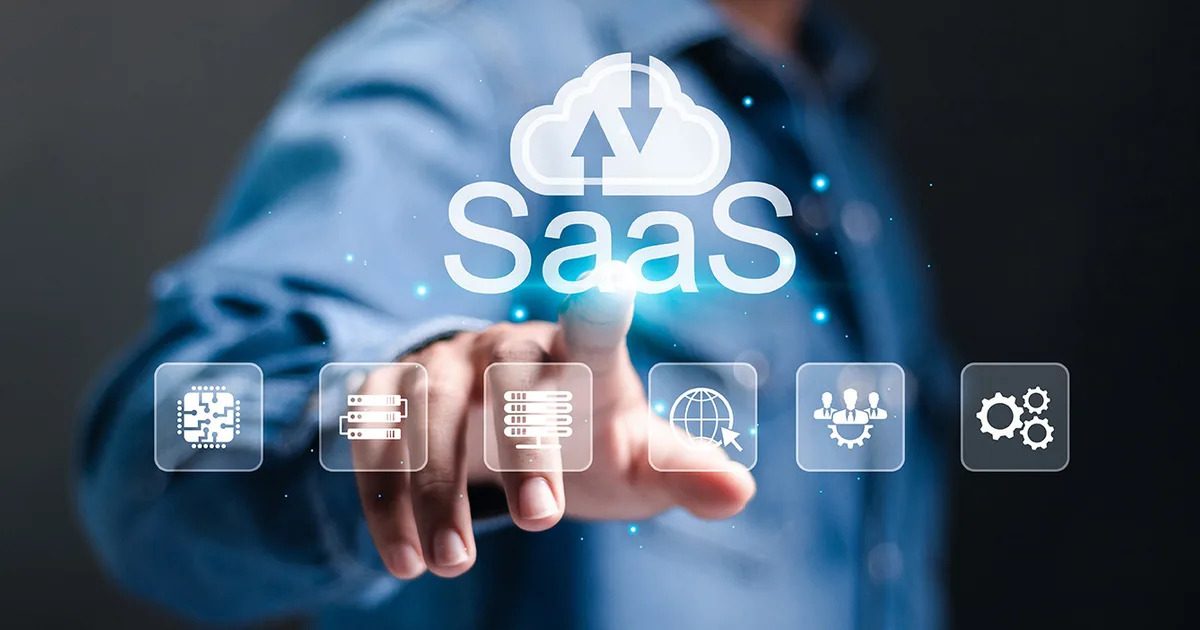
Software as a Service (SaaS) is a cloud computing delivery model where software applications are hosted centrally by a provider and made available to users over the internet on a subscription basis. Instead of purchasing and installing software locally, users access powerful applications through web browsers.
This model has transformed how businesses and individuals consume software. From email services to complex enterprise resource planning systems, SaaS has become the dominant way organizations operate in the digital age.
Unlike traditional software that requires installation on individual devices, SaaS removes barriers of upfront cost, maintenance, and hardware limitations, making advanced tools accessible to startups and global enterprises alike.
2. Evolution of SaaS

The concept of SaaS evolved from the Application Service Provider (ASP) model of the late 1990s. With the widespread adoption of high-speed internet in the 2000s, companies like Salesforce (founded in 1999) pioneered the modern SaaS movement by delivering Customer Relationship Management (CRM) software through the cloud.
The 2010s witnessed explosive growth with the rise of cloud infrastructure providers like AWS, Google Cloud, and Microsoft Azure. Today, SaaS has matured into a multi-hundred-billion-dollar industry that continues to reshape global business operations.
3. How SaaS Works
SaaS applications run on the provider’s cloud infrastructure. Users connect via a web browser or mobile app. All data processing, storage, and updates occur on the provider’s servers. This centralized model allows the provider to maintain, secure, and upgrade the software for all users simultaneously.
Most SaaS platforms use a multi-tenant architecture, where a single instance of the application serves multiple customers while keeping their data logically separated and secure.
4. Core Characteristics of SaaS
Subscription-Based Pricing
Users pay recurring fees (monthly or annually) instead of large one-time licenses.
Automatic Updates
New features and security patches are deployed instantly without user intervention.
Accessibility
Applications can be accessed from any device with an internet connection worldwide.
5. SaaS Architecture
Modern SaaS platforms are built using scalable cloud infrastructure, microservices architecture, containerization (Docker & Kubernetes), and robust API layers. This design enables high availability, fault tolerance, and seamless scaling as user demand grows.
6. Types of SaaS Applications
SaaS spans virtually every business function. CRM systems like Salesforce manage customer relationships, while productivity suites such as Google Workspace and Microsoft 365 power collaboration. Communication tools like Slack and Zoom have become essential for remote and hybrid work.
7. Popular SaaS Examples
Salesforce
The pioneer of CRM SaaS, offering comprehensive customer management and automation tools.
Canva
Democratized graphic design with an intuitive cloud-based creative platform.
8. Advantages of SaaS
SaaS dramatically lowers the barrier to entry for businesses by eliminating the need for expensive servers, IT staff for maintenance, and lengthy deployment cycles. Companies can scale usage up or down quickly based on demand.
9. Disadvantages of SaaS
Reliance on internet connectivity, potential data privacy concerns, and accumulating subscription costs are notable challenges. Organizations must carefully evaluate vendors and maintain strong security practices.
10. SaaS vs Traditional Software
Traditional software requires installation, manual updates, and significant upfront investment. SaaS offers lower initial costs, automatic maintenance, and greater flexibility, making it the preferred choice for most modern organizations.
11. SaaS Business Model
SaaS companies typically use subscription pricing with monthly or annual plans. Many offer freemium models to attract users and tiered enterprise plans with advanced features, dedicated support, and enhanced security.
12. Technologies Behind SaaS
SaaS platforms rely heavily on cloud computing (AWS, Azure, GCP), microservices, RESTful and GraphQL APIs, modern databases, and sophisticated DevOps practices including continuous integration and delivery (CI/CD).
13. Security in SaaS
Leading SaaS providers implement enterprise-grade security including data encryption at rest and in transit, multi-factor authentication, regular audits, and compliance with standards such as SOC 2, ISO 27001, and GDPR.
14. SaaS in Modern Industries
From online learning management systems in education to telemedicine platforms in healthcare and advanced ERP solutions in manufacturing, SaaS has become deeply embedded across virtually every industry vertical.
15. Future of SaaS
The future of SaaS lies in deeper AI integration, no-code/low-code platforms, hyper-personalization, and vertical-specific solutions. As businesses continue their digital transformation journey, SaaS will remain at the forefront of innovation.
16. Career Opportunities in SaaS
The SaaS industry offers exciting roles including SaaS Developers, Cloud Architects, Product Managers, Growth Marketers, Customer Success Managers, and DevOps Engineers. Entrepreneurial opportunities for building new SaaS products are also abundant.
Conclusion
Software as a Service has fundamentally changed how the world uses software. By delivering powerful applications through the cloud with flexible pricing and continuous innovation, SaaS has accelerated digital transformation across every sector of the global economy.
As technology continues to evolve, SaaS will remain a cornerstone of modern business infrastructure, driving efficiency, collaboration, and innovation for years to come.